
What keeps Novak Djokovic at the top of tennis? A trend revealed as the Serbian legend begins his latest fight for an elusive 25th major tournament.
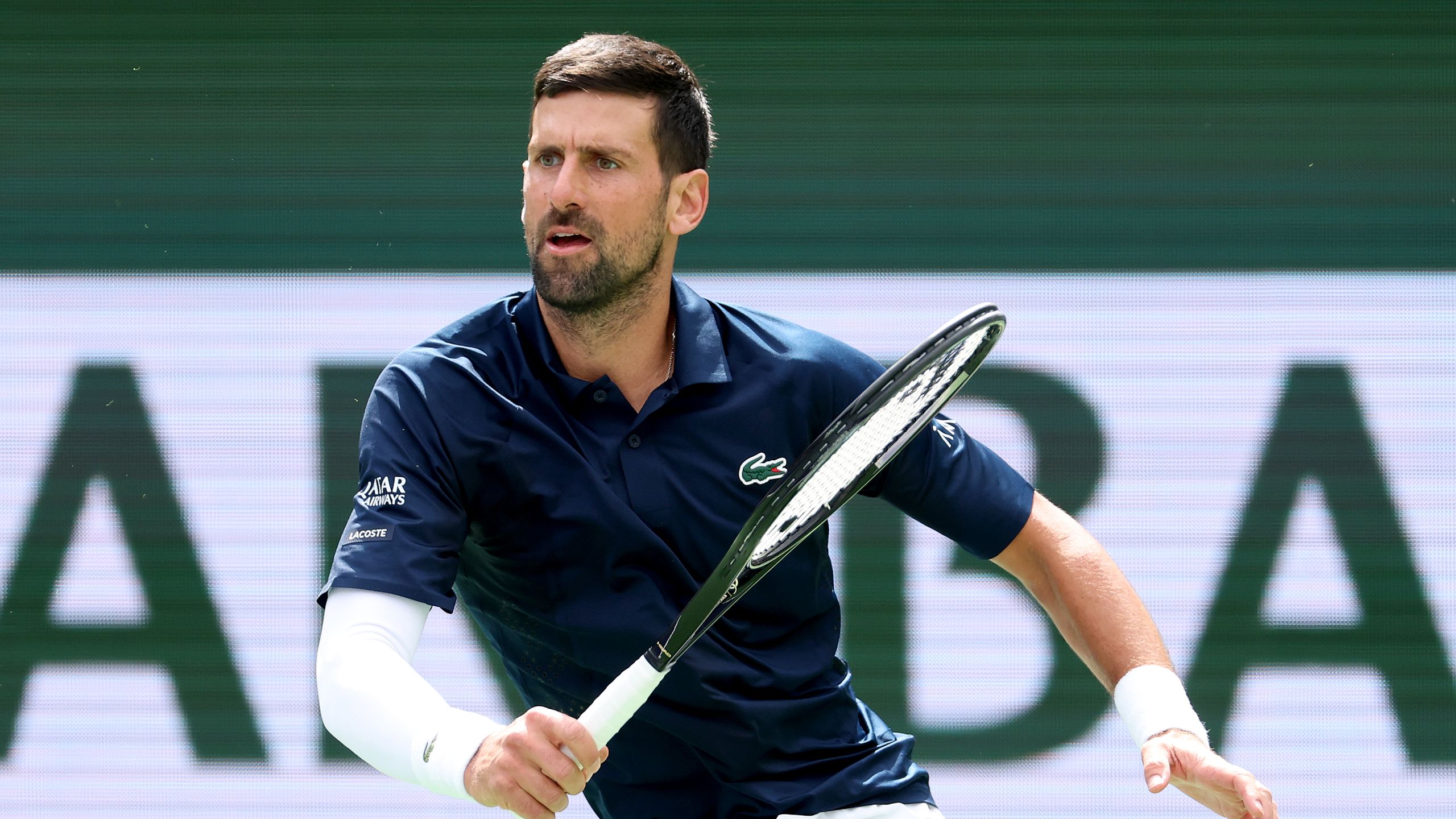
By Marko Tankosic
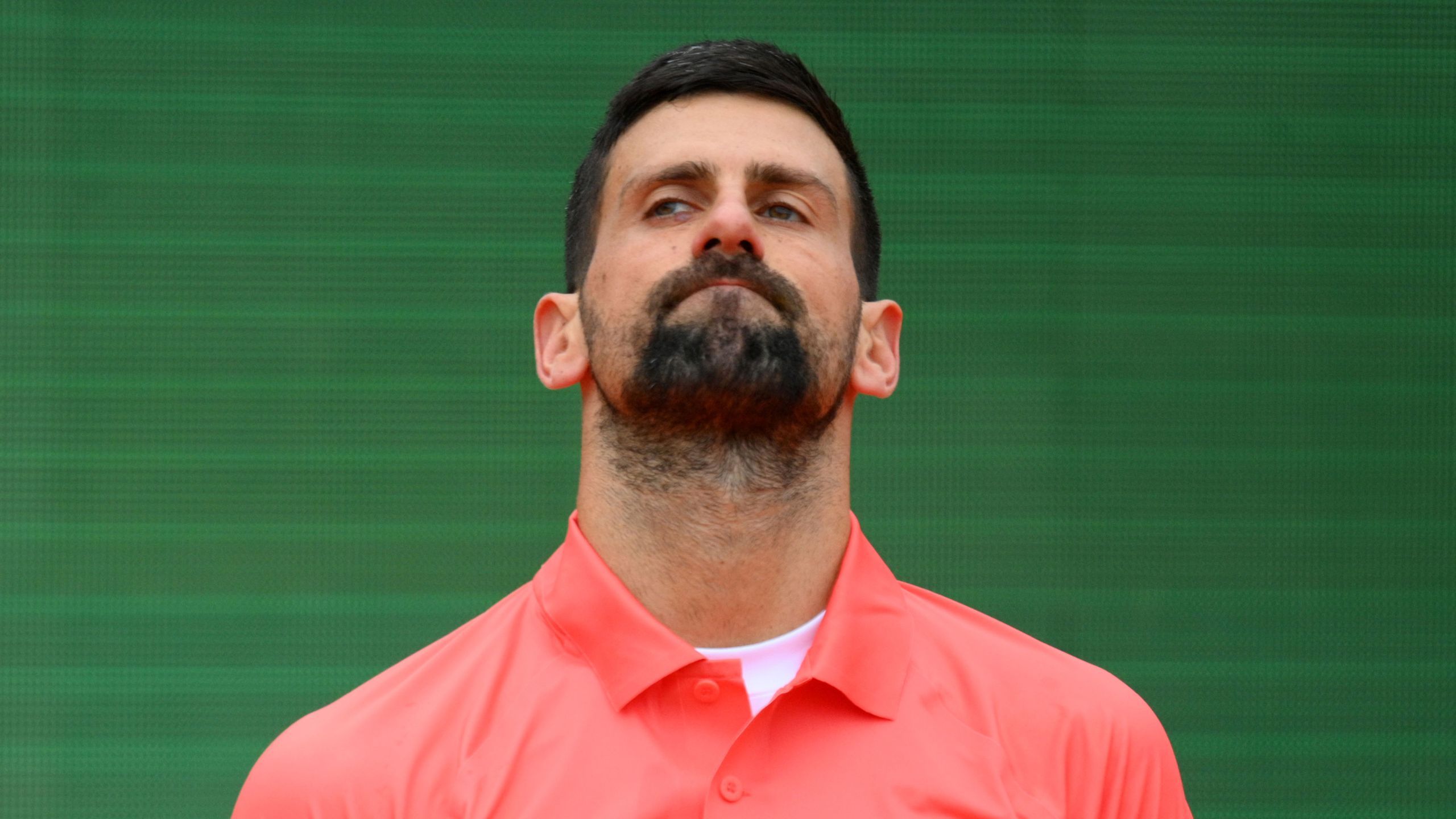
SME News Balkan. Novak Djokovic has spent nearly two decades redefining greatness in men’s tennis, and even at 38 he continues to evolve. As the Serbian prepares for another attempt at a record 25th Grand Slam title at the upcoming French Open, data suggests that a subtle but significant tactical tweak is helping him stay competitive with the sport’s new generation.
Djokovic, who reached the final of the Australian Open earlier this year, will again target glory in Paris when Roland-Garros begins in May. The road there includes several major tournaments, starting with Indian Wells Masters and Miami Open, before the clay-court events in Monte Carlo, Madrid and Rome.
Djokovic Reinvents His Forehand
For most of his career, Djokovic’s backhand has been widely considered one of the best shots in tennis history. However, recent statistics indicate that his forehand has become a more decisive weapon—particularly the aggressive inside-out and inside-in forehand.
During ATP events in 2025, Djokovic won 62.3% of points when using the inside-out/inside-in forehand, a dramatic increase compared with 45.5% in 2024. The shot has also generated more attacking opportunities and forced errors from opponents, indicating a deliberate tactical adjustment in his game.
The numbers show that this forehand pattern has been Djokovic’s most successful offensive play in the past year. By stepping around his backhand and striking forehands from the inside of the court, he has increased both the pace and pressure in rallies.
Responding to the New Generation
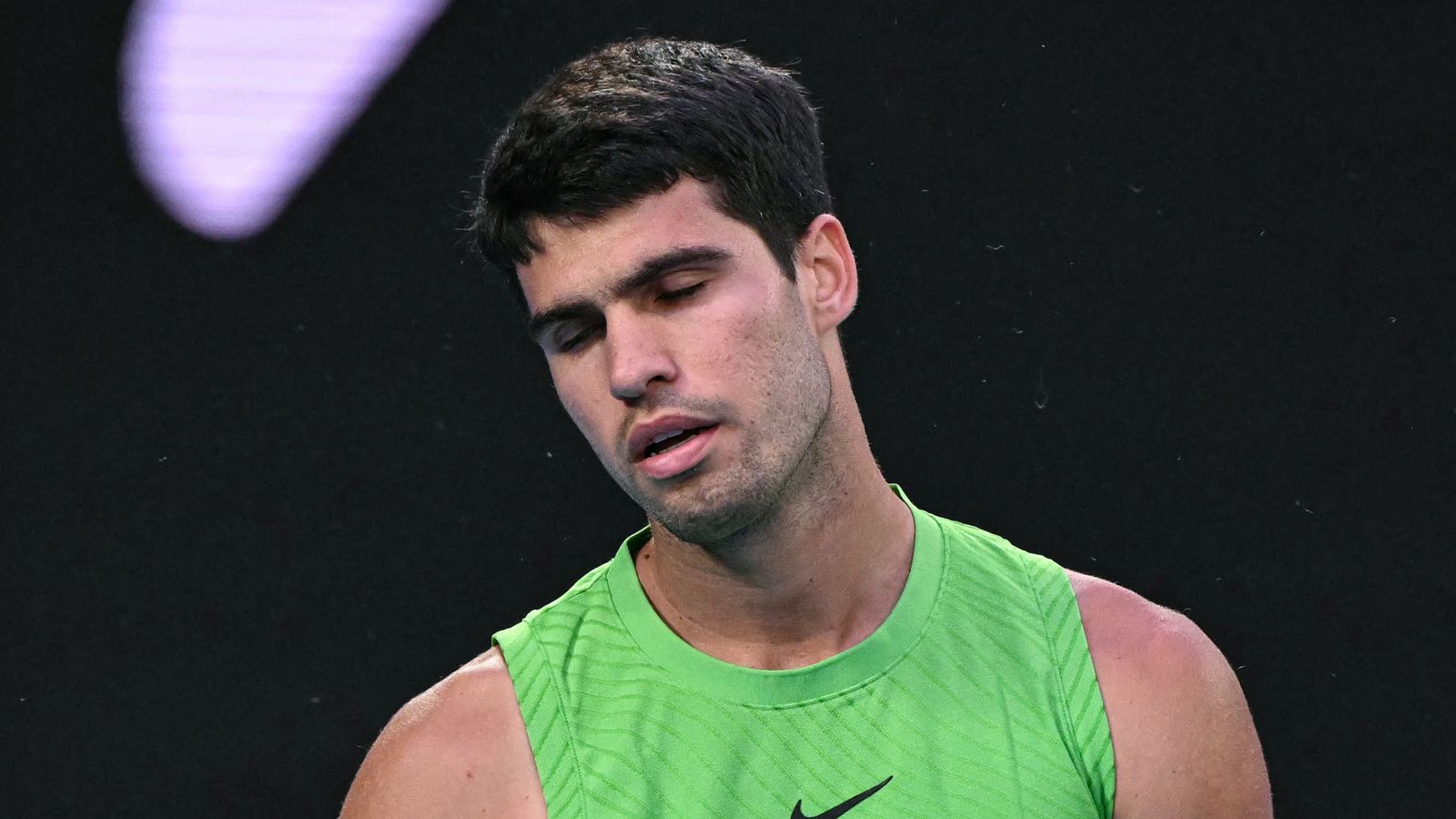
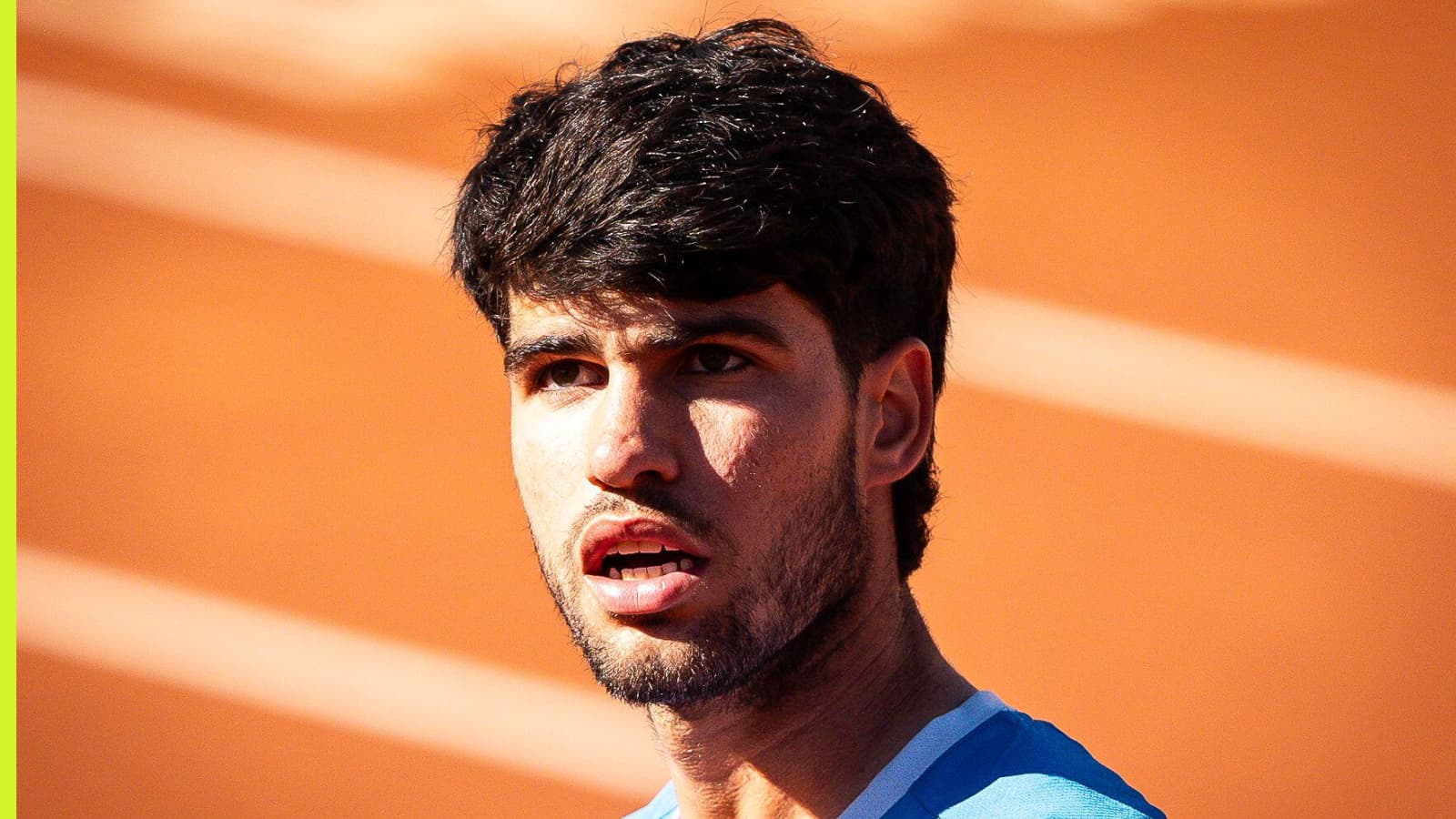
Djokovic’s adjustment may partly be a response to the aggressive baseline power of players like Carlos Alcaraz and Jannik Sinner, who have dominated recent Grand Slams.
Despite their rise, Djokovic showed he can still compete at the highest level during the Australian Open. He defeated Sinner in a five-set semi-final before losing to Alcaraz in the final after taking the first set.
The Serbian’s improved forehand played a key role in that semi-final victory, where he produced 22 forehand rally winners, significantly more than Sinner’s 13.
Could It Be the Key to Grand Slam No. 25?
The adjustment could prove especially valuable on the slower clay courts of Roland-Garros. The surface allows players more time to set up for powerful forehands, and Djokovic’s willingness to attack with that shot may be crucial in long baseline exchanges.
Winning a 25th major would extend Djokovic’s record as the most successful Grand Slam champion in tennis history, further cementing his legacy.
Longevity Still a Major Motivation
Questions about how long Djokovic will continue playing remain common among fans. However, the Serbian has hinted that his career may extend well into the future, even mentioning the possibility of competing at the 2028 Summer Olympics.
Djokovic, who has already enjoyed one of the longest elite careers in tennis, continues to follow the path of sporting longevity seen in athletes such as Tom Brady, LeBron James, Roger Federer, and Rafael Nadal.
For now, Djokovic’s focus remains firmly on the upcoming clay-court season. If his evolving forehand continues to deliver results, the Serbian legend may yet add another historic chapter to his already remarkable career.