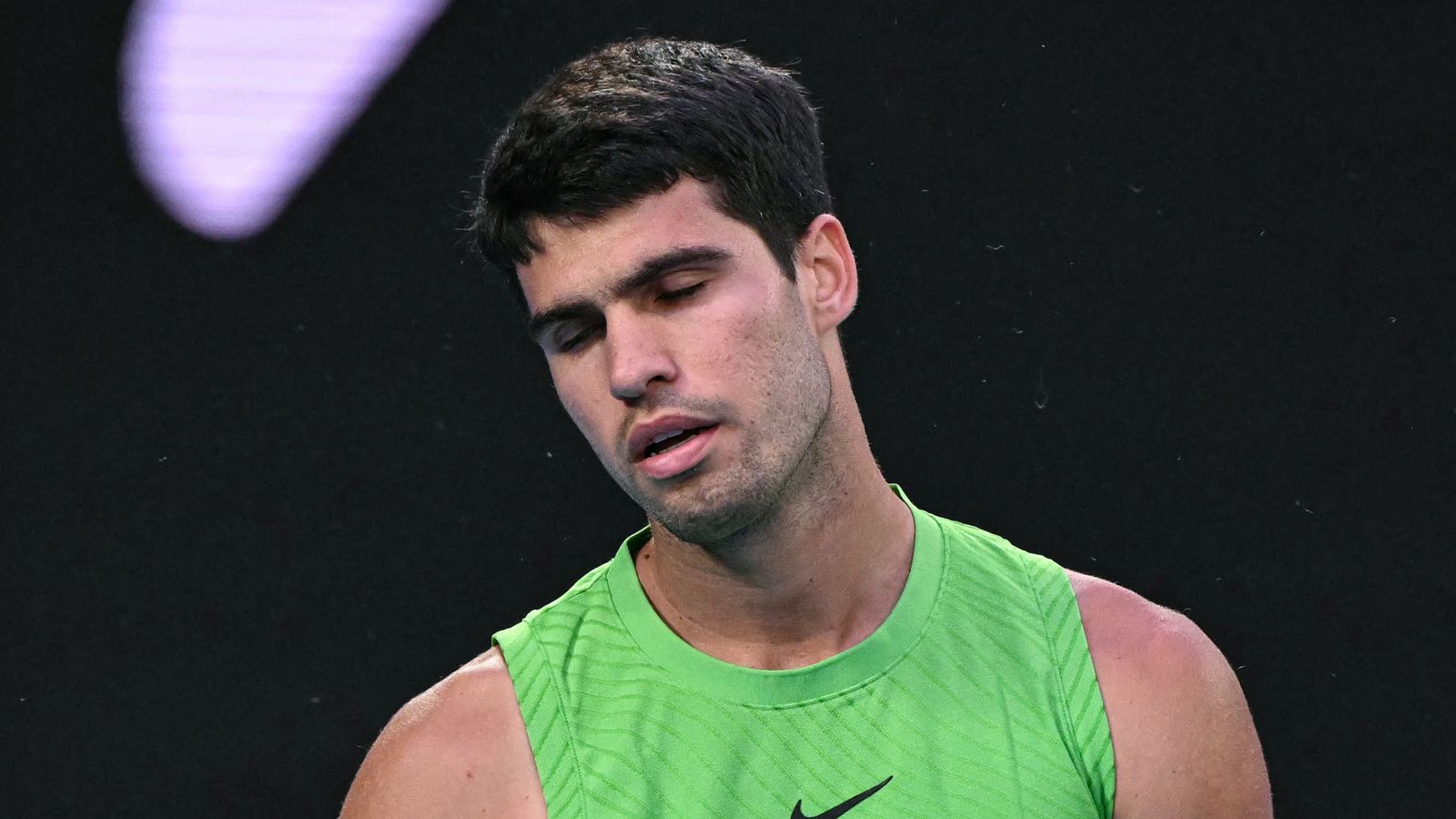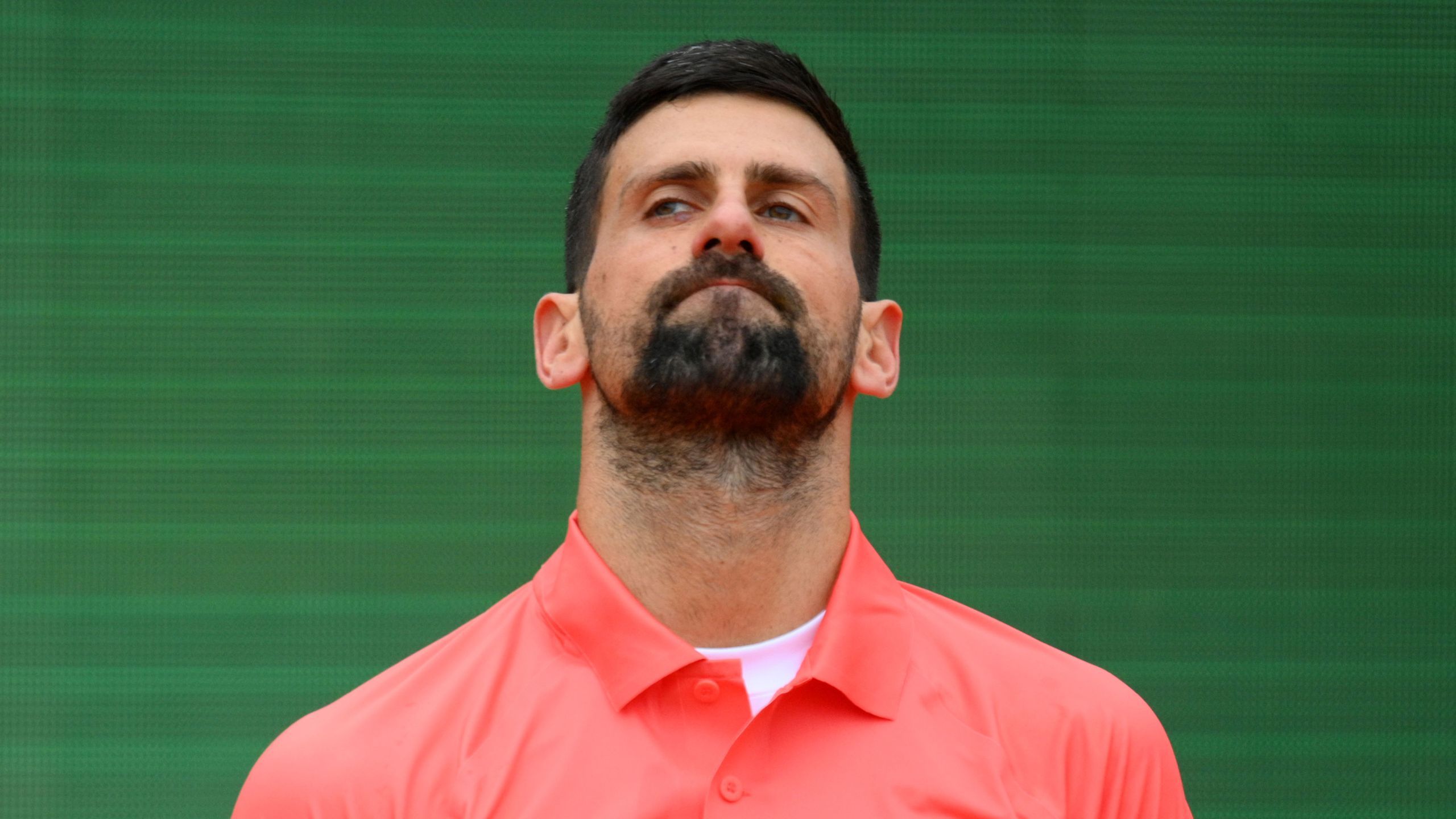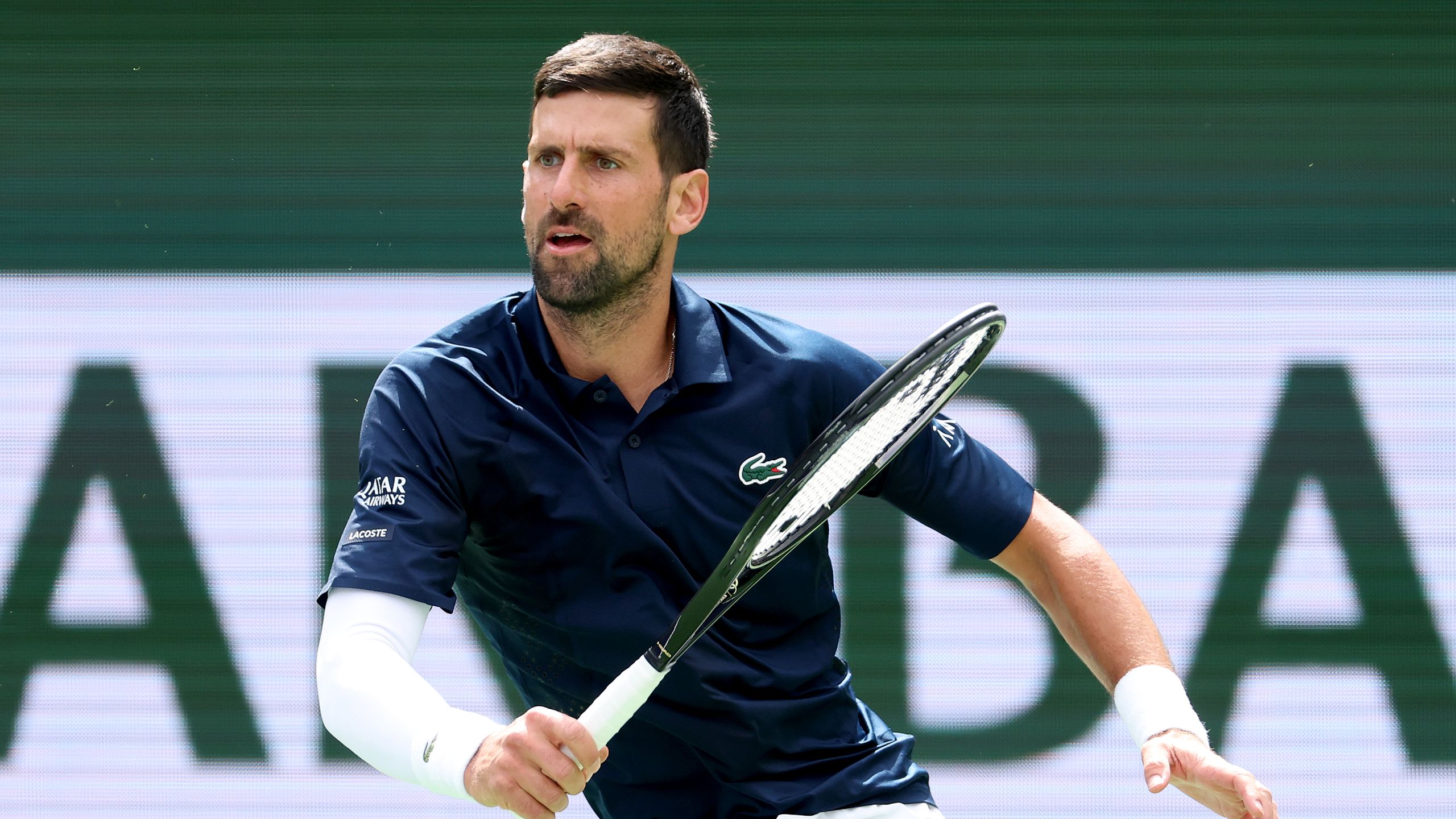

‘Rage room’ and ‘smash room’: How tennis tournaments are helping players let off steam amid Coco Gauff incident and Novak Djokovic comments
By Marko Tankosic
SME News Balkan. Tennis organizers are exploring new ways to protect player privacy and mental well-being after a controversial moment involving Coco Gauff at the Australian Open, where a private moment of frustration was unintentionally broadcast worldwide.
The incident has sparked wider debate across the sport, prompting tournaments in the United States and the Middle East to trial designated spaces where players can release emotions away from cameras.
Gauff Incident Reignites Debate Over Player Privacy
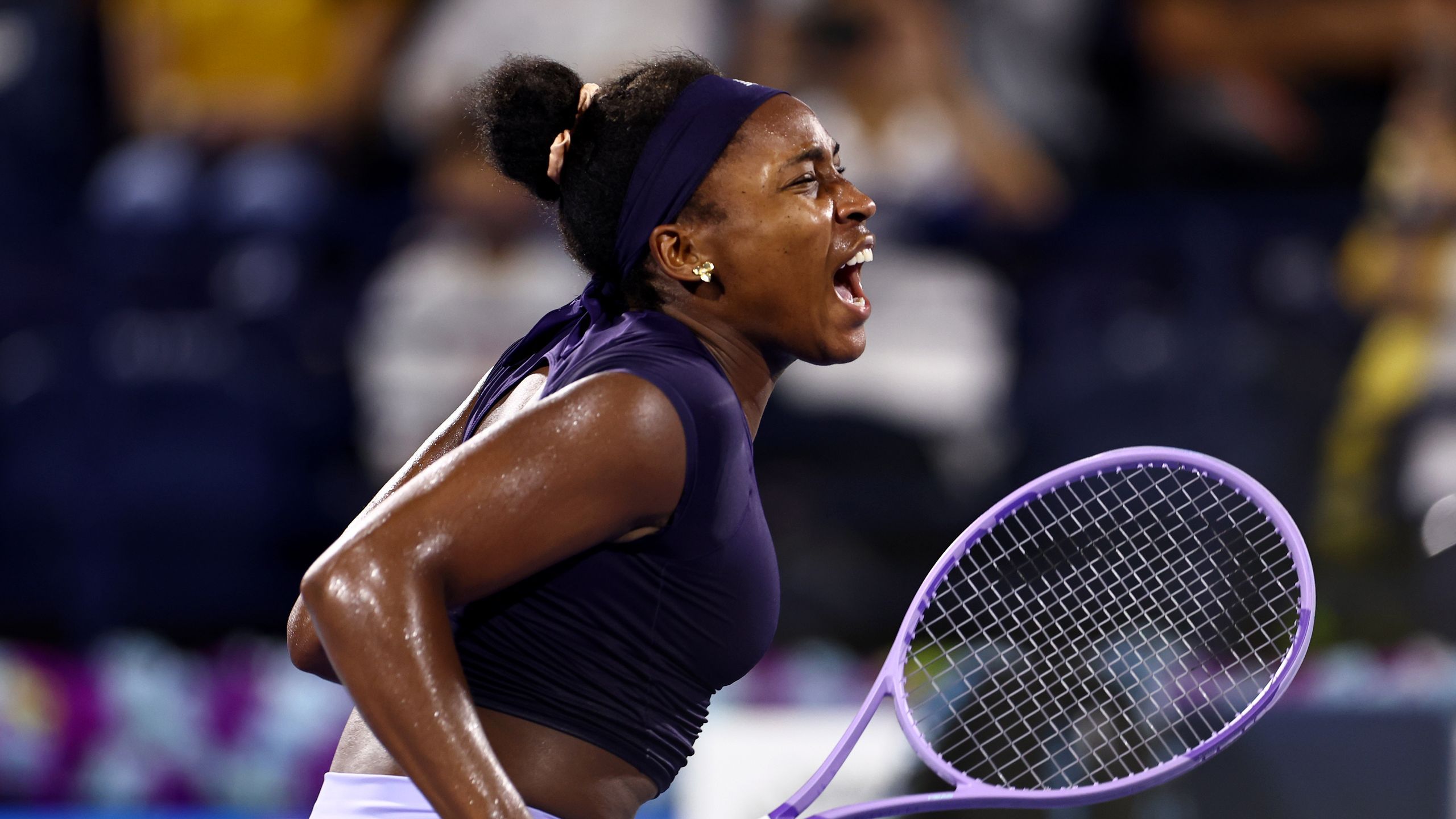
Following her 59-minute quarter-final defeat to Elina Svitolina, Gauff believed she had found a secluded area on her way to the locker room to smash her racquet. However, footage of the moment was captured and aired live, triggering criticism over the lack of private spaces for players during tournaments.
The situation led prominent figures, including Novak Djokovic and Iga Swiatek, to call for reforms. Swiatek notably compared players to “animals in a zoo,” highlighting the pressures of constant surveillance.
ATX Open Launches Camera-Free ‘Rage Room’
In response, the ATX Open in Austin, Texas, has introduced what it describes as the first-ever tennis “rage room.” The private, camera-free space allows players to express frustration safely and discreetly.
Tournament organizers announced the initiative on social media, explaining that the room is designed to help players reset mentally without fear of public exposure. The space features motivational messages and imagery encouraging emotional control and self-belief.
Dubai Trials ‘Smash Room’ Experience for Players
Meanwhile, at the Dubai Tennis Championships, players have been offered a more unconventional option: a mobile “smash room.” The experience involves players wearing protective gear inside a truck and smashing objects with heavy tools.
ATP player Shang Juncheng described the activity as both intense and therapeutic.
“It helps release energy and clear your head before going on court,” Shang said, adding that such off-court experiences can help players unwind and feel lighter mentally.
Djokovic Warns of a Growing Surveillance Culture
Djokovic has been one of the strongest voices opposing constant filming at tournaments. Speaking earlier this year, he expressed concern over players being unable to escape cameras even during emotional moments.
“It’s really sad that you can’t move away anywhere and fume out your frustration without it being captured,” Djokovic said, warning that the trend is moving toward even more surveillance rather than less.
He added that adapting to an unseen camera “always on you” can be unsettling, especially during moments when players simply want to be themselves away from public scrutiny.
A Shift in Tournament Culture?
While it remains unclear whether rage rooms or smash rooms will become standard features on the tennis calendar, the initiatives mark a rare acknowledgment of players’ mental health needs and the pressures of modern sports broadcasting.
As tennis continues to balance commercial demands with athlete welfare, these experiments could signal the beginning of a more player-centered approach to tournament environments.